
TikTok Moderation Policies
CUltural impact
Although not something considered at first, TikTok’s moderation and strange pattern of “violations” have genuinely altered the online culture of TikTok. People found new ways to put their content online and to keep it away from the possibility of an unfair violation. “Bad” words started getting numbers for some letters to shield them from AI moderation, adding “FAKE __” to a video that shows something the AI would ban without hesitation, even if it’s just a skit caused the bots to just skim right over. People have also united online against the seemingly unfairness of the policies, citing that the ambiguity in every line, such as not defining what “harmful” really is, leaves every ban up to opinion.
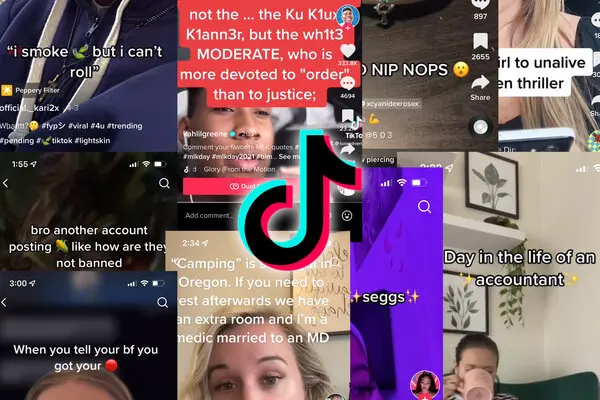
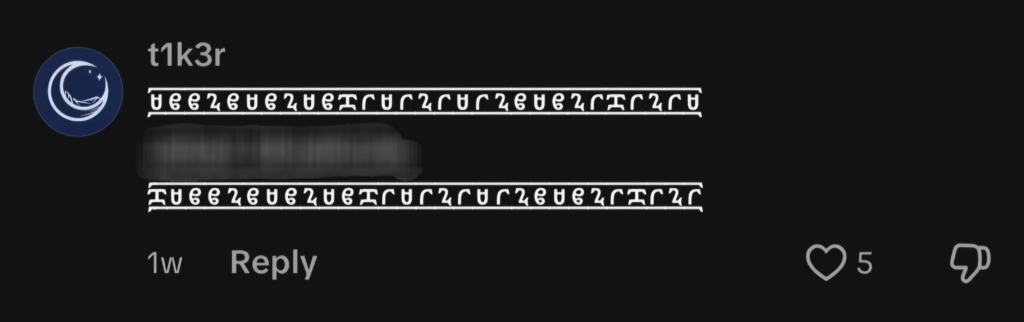
With the looming threat of TikTok’s ban hammer falling down on any piece of content, several trends began to emerge that changed how TikTok worked and how we as a society see things. Emojis began replacing words, or simple words being replaced to bypass any automation. This goes hand in hand with Nick Couldry’s discussions about media rituals, with how we just accept these new ways to communicate. With how ambiguous the community guidelines are, finding a way to express things that the guidelines find problematic in new ways is also connected to the concept of global punk, and finding ways to keep expressing ourselves despite attempted stifling.